



Case StudyStudy and Research
Identifying Scalable Pathways for
NTFP Commodities in Sumatera Barat
- Client

Problem Context
- High-potential NTFPs remain
economically underutilized due to
limited market access, weak business
capacity, and infrastructure gaps. - Fragmented and informal value
chains create uncertainty in quality,
volume, and buyer commitment. - Traditional development approaches
overemphasize production, while market
dynamics remain poorly understood.
i-Hi Approach
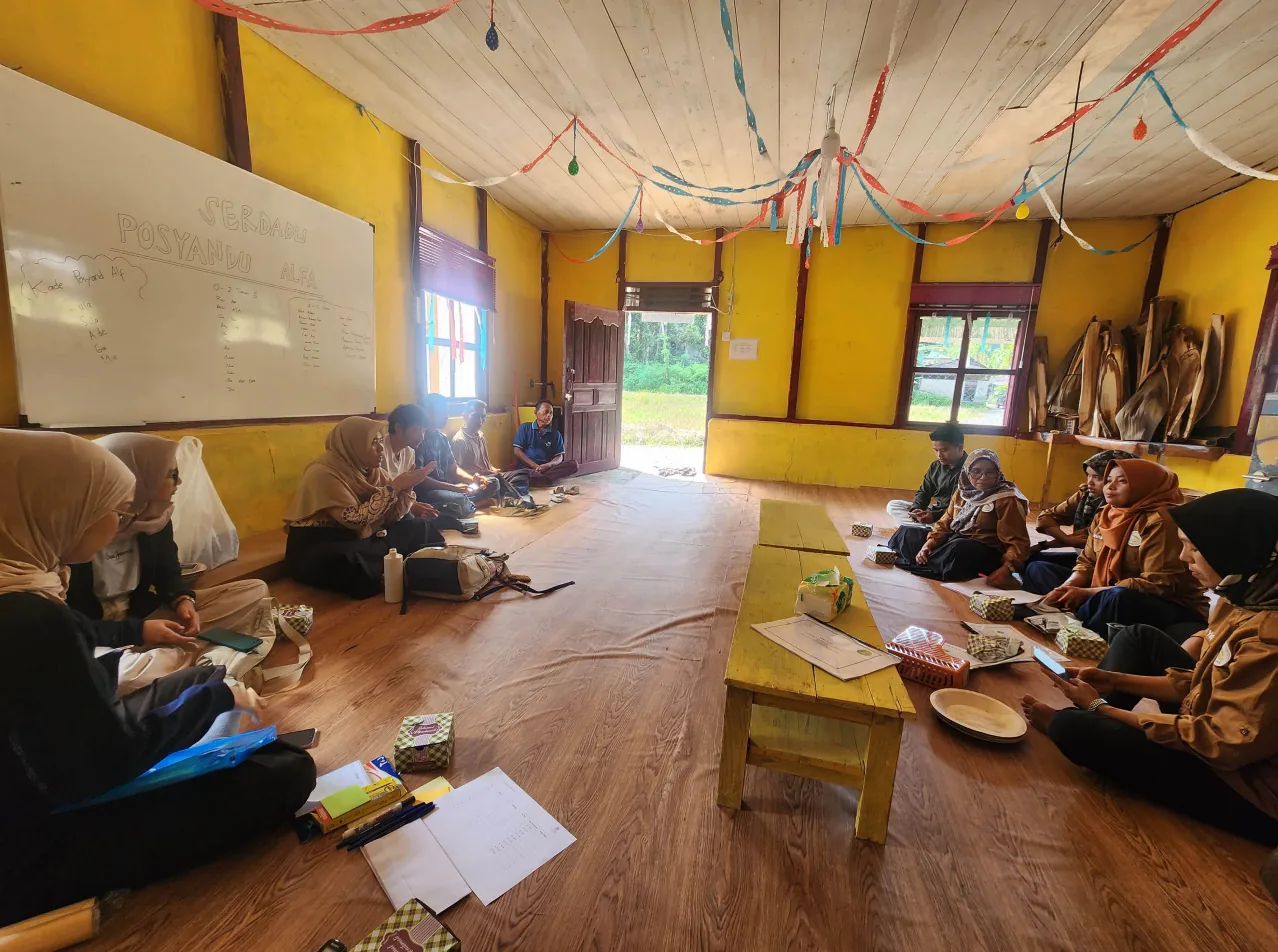
- Ground-Validated Insights: Integrated document review, 38 key informant interviews (KII), and 6 focus group discussions (FGDs) to validate real market behaviour.
- End-to-End Market System Analysis: Combined Market Environment Research (MER), Value Chain Analysis (VCA), and competitive landscape assessment.
- Business Viability and Intervention Design: Applied cost simulations, proxy-based market sizing, and stakeholder ecosystem mapping.
Scope
Analyzed 3 commodities across different market archetypes:
Local/niche market
(cultural product)
Global green market
(biodegradable products)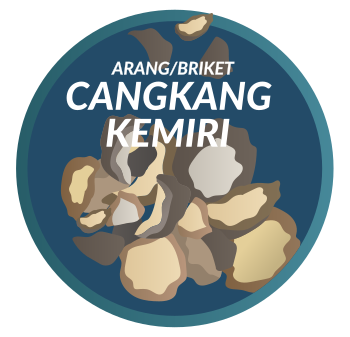
Industrial market
(energy input)
Key Insights
Processed products can yield negative margins
Value additionis notProfitabilityTrue opportunities lie beyond original narratives:
Agricultural “waste”equalsProfitabilityLocal crafts (pinang)equalsexport-aligned biodegradable productsCore constraint is market reliability, not production:
Inconsistent quality and volumeleads tocould result in failed buyer commitments and missed B2B opportunitiesHigh-value markets come with higher entry barriers:
Certification, standardization, and capital requirements limit access
Values Created
- Positioned NTFPs as part of scalable
economic and conservation solutions,
not just local products - Provided evidence-based pathways
for NTFP commercialization beyond
subsistence models - Informed development of
market-oriented intervention
strategies for sustainable livelihoods