



Case StudyAdvocacy
Enabling Regional Compliance and
Strategic Alignment for Sustainable
Palm Oil Governance in Mempawah
and Lamandau District
- Client
Problem Context
- Palm oil remains economically
critical yet environmentally
contested, requiring balanced
governance at the regional level. - Local governments faced low
awareness, limited capacity, and
unclear guidance in operationalizing
RAD KSB (Regional Action Plan of
Sustainable Palm Oil). - Misalignment across stakeholders
(government, private sector,
community) and uncertainty in
utilizing DBH Sawit (Revenue
Sharing Fund Palm Oil).
i-Hi Approach
- Data-Driven Situation Analysis: Developed baseline and risk mapping to ground planning in local realities.
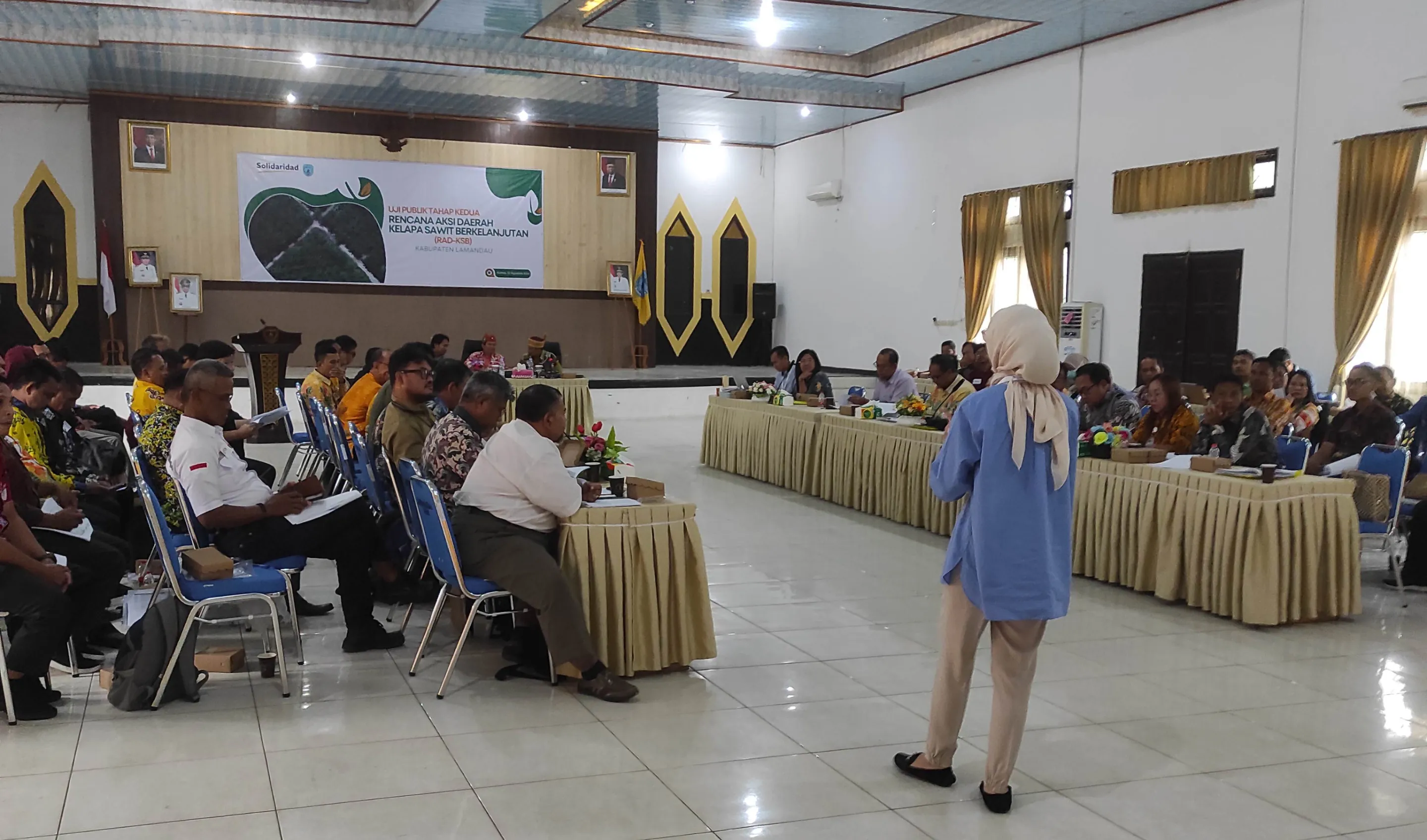
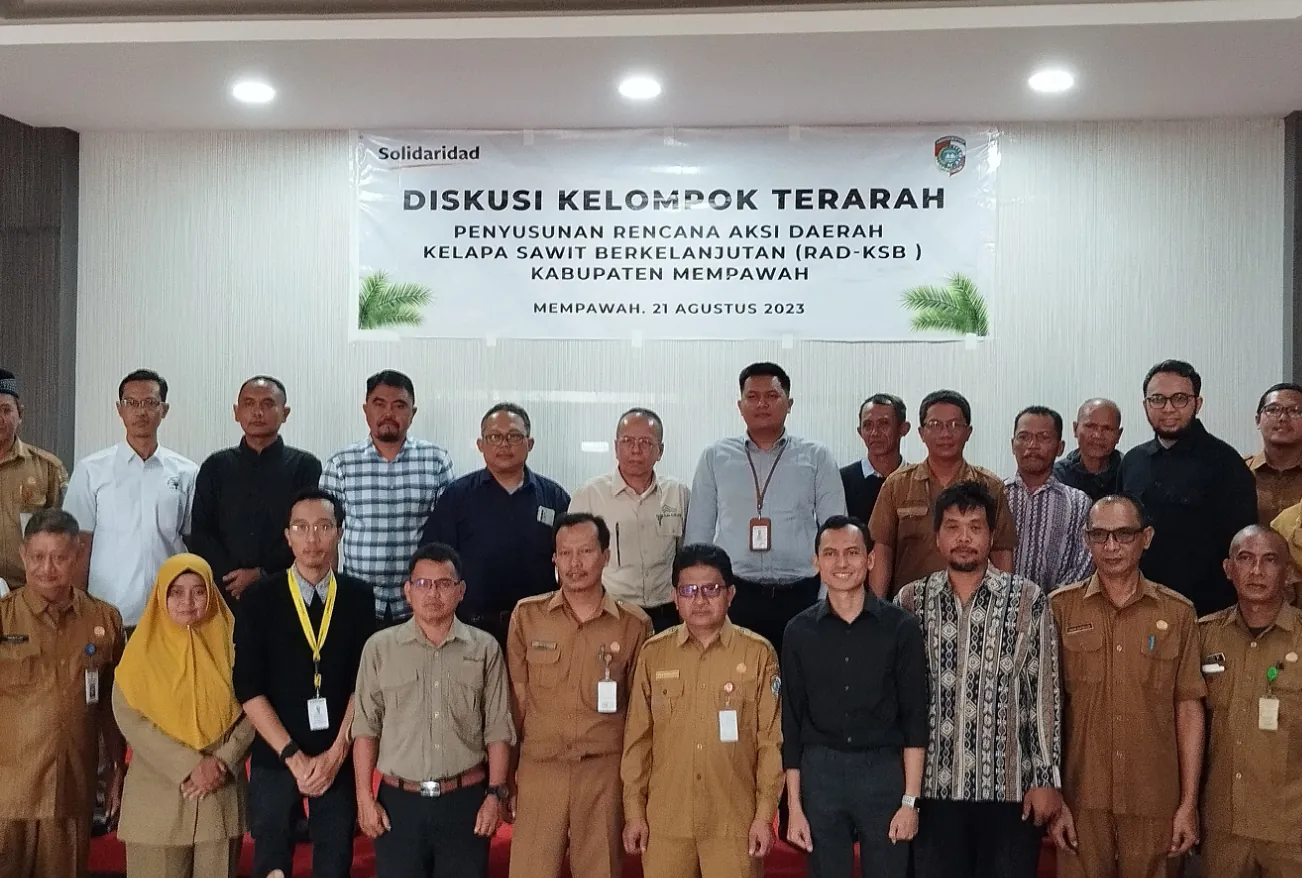
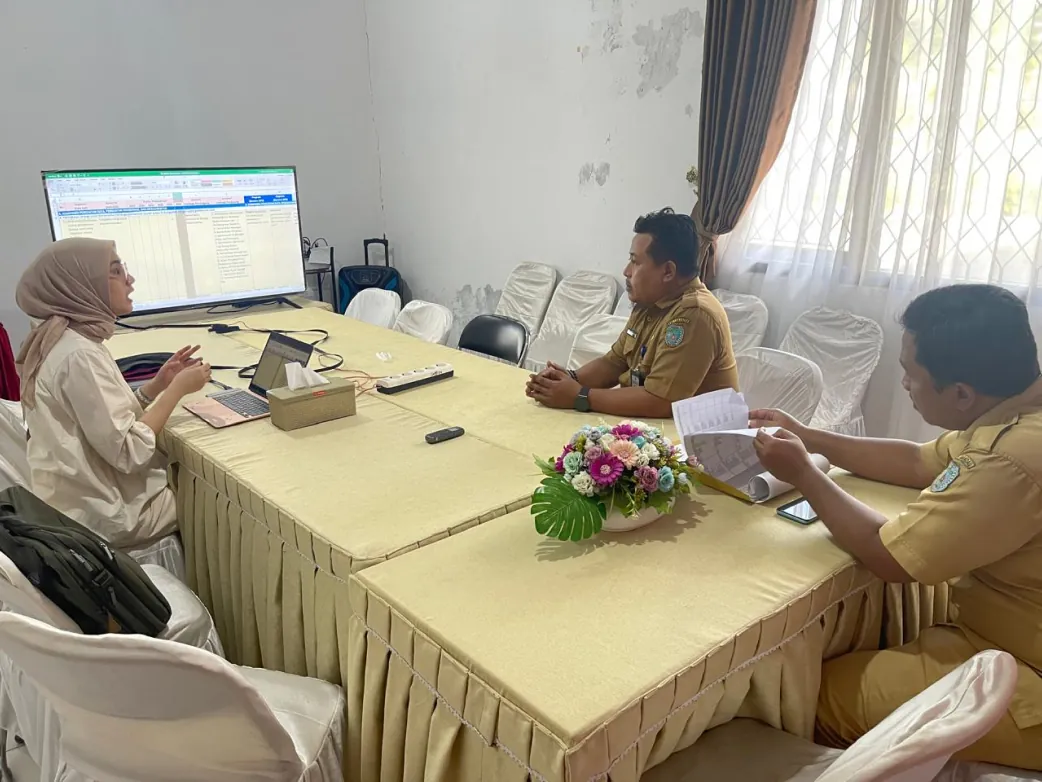
- Participatory Stakeholder Alignment: Conducted targeted 1-on-1 engagements before multi-stakeholder forums. The total number of stakeholders could be up to 30 institutions.
- Policy Synchronization Framework: Bridged national mandates (Inpres 6/2019, PMK 91/2023) with regional planning.
Key Output
Comprehensive RAD KSB (Regional Action Plan of Sustainable Palm Oil) document covering:
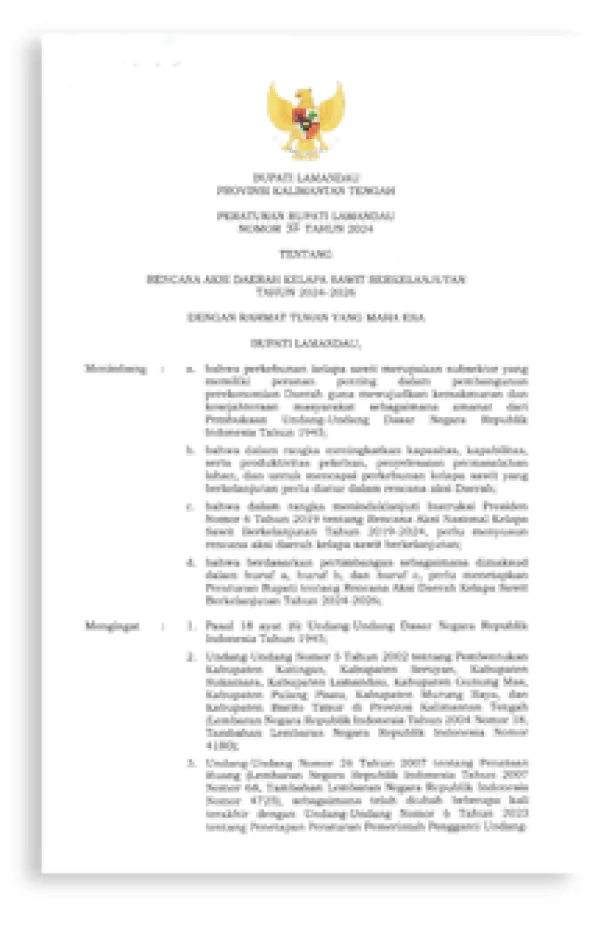
- Regional profile, risk identification, action matrix,
funding strategy, monitoring and evaluation (M&E) framework. - Structured roadmap and implementation matrix
aligned with KSB (Sustainable Palm Oil) pillars.
Values Created
- Enabled local governments to translate national
policy into implementable regional actions - Strengthened stakeholder alignment across
government, private sector, communities - Provided a strategic foundation for accessing and
optimizing DBH Sawit (Revenue Sharing Fund Palm Oil) - Positioned regions to advance sustainable and
accountable palm oil governance